December 17th, 2025
4 min read
NTT DATA’s mission to create new paradigms that enrich society aligns naturally with the Vatican’s commitment to preservation and knowledge sharing. And that makes this longstanding collaboration an important story about technology and tradition uniting to connect past, present and future generations.
A decade of collaboration between NTT DATA and the Vatican
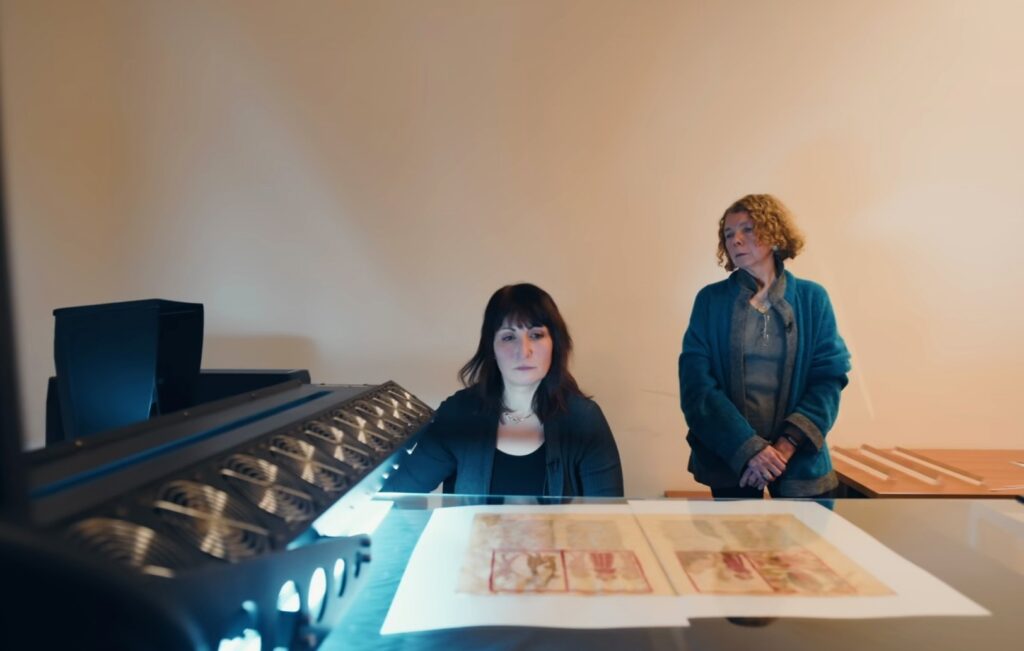
In 2014, the Vatican Apostolic Library partnered with NTT DATA to realize a vision of preserving fragile original documents while ensuring universal access. With that goal in mind, NTT DATA began work on the digitization of the Vatican Library’s handwritten manuscripts, with plans to eventually digitize 82,000 documents, or approximately 41 million pages.
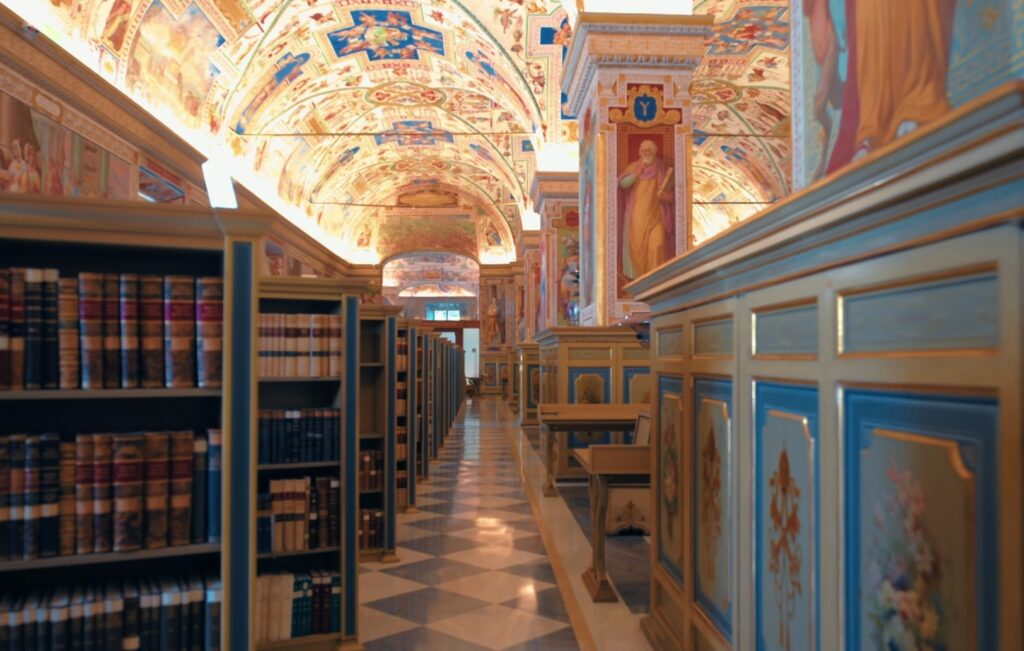
The underlying technology driving this work is AMLAD, the cloud-based digital archive system NTT DATA developed for centralized management and utilization of digital content, including images, videos, and audio held by museums, libraries, companies and other institutions. With this digital archive technology, NTT DATA can enable secure, long-term storage and open access via DigiVatLib, the Vatican Library’s digital library service. DigiVatLib provides free access to the Vatican Library’s digitized collections, including manuscripts, incunabula, archival materials and inventories as well as graphic materials, coins and medals.
So far, over the course of the past decade, we have digitized more than 27,500 manuscripts and made them available online, accessible to anyone, anywhere, free of charge. This has helped to enhance scholarly research and global cultural access.
Extended reality and blockchain technology at the Vatican
This collaboration has also expanded beyond manuscripts. In 2021, we launched a 3D digitization project, including the Gregorian Tower, a 16th-century astronomical observatory. The tower has been exposed to risks of damage from disasters, accidents and aging. Meticulous scanning and modeling have allowed for its digital preservation, including restoration and research activities. The digitization of the Gregorian Tower, which was initially presented at Expo 2020 in Dubai, is the first project of 3D scanning and digitization of a building and it allows for immersive virtual exploration by users through XR (extended reality) technology.
Then, in 2023, NTT DATA furthered its collaboration with the Vatican Library by exploring the potential of Web3 technologies through an experimental project aimed at expanding the Library’s online community. This initiative used NFTs and blockchain to reward supporters who promoted the project on social media or otherwise demonstrated their support. Holders of these NFTs gained access to high-resolution images of 15 cultural assets from the Library, along with specially created explanatory texts, fostering a new and interactive connection between the Vatican Library and its audience.
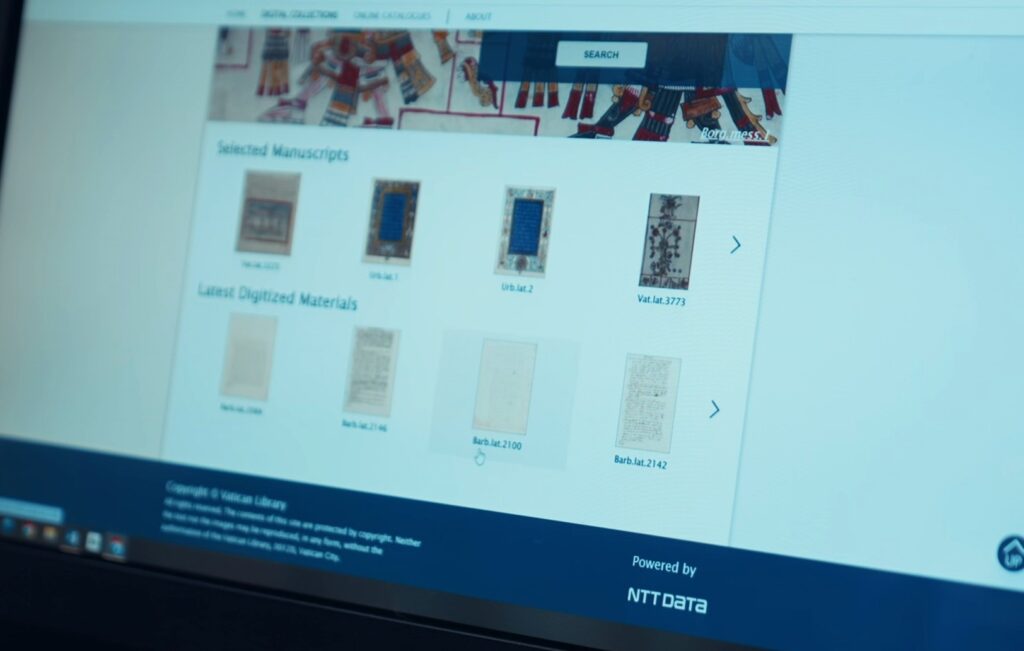
The Vatican and NTT at Osaka Expo
NTT DATA and the Vatican continue to collaborate. In 2025, we signed an agreement establishing NTT DATA as a technology advisor to the Dicastery for Evangelization, supporting projects that fuse faith, art and innovation.
This included providing digital and IT services for the Holy See (Vatican) Pavilion at Osaka Expo 2025, where we featured Personalized Sound Zone (PSZ) technology – technology developed by NTT Computer and Data Science Laboratories that provides an Acoustic XR experience merging real and virtual sound spaces through open-ear earphones. PSZ allows individuals to control the sound space for themselves, hearing only what they want to hear. It was designed for uses such as allowing people to enjoy work and entertainment experiences regardless of their location, enabling comfortable conversations between people seated apart from each other in places like self-driving cars, and improving quality of life by enhancing hearing ability.
As Osaka Expo 2025, PSZ was demonstrated as part of the Holy See Pavilion’s central exhibit, Caravaggio’s masterpiece The Deposition, which was loaned by the Vatican Museum and exhibited for the first time ever in Japan. The visitor experience was enhanced by a sound installation called Silent Echoes of the Great Bell by American artist Bill Fontana. Using PSZ technology, visitors were able to hear the hidden vibrations and subtle sounds of the main bell of St. Peter’s Basilica, which are typically inaudible to the human ear.
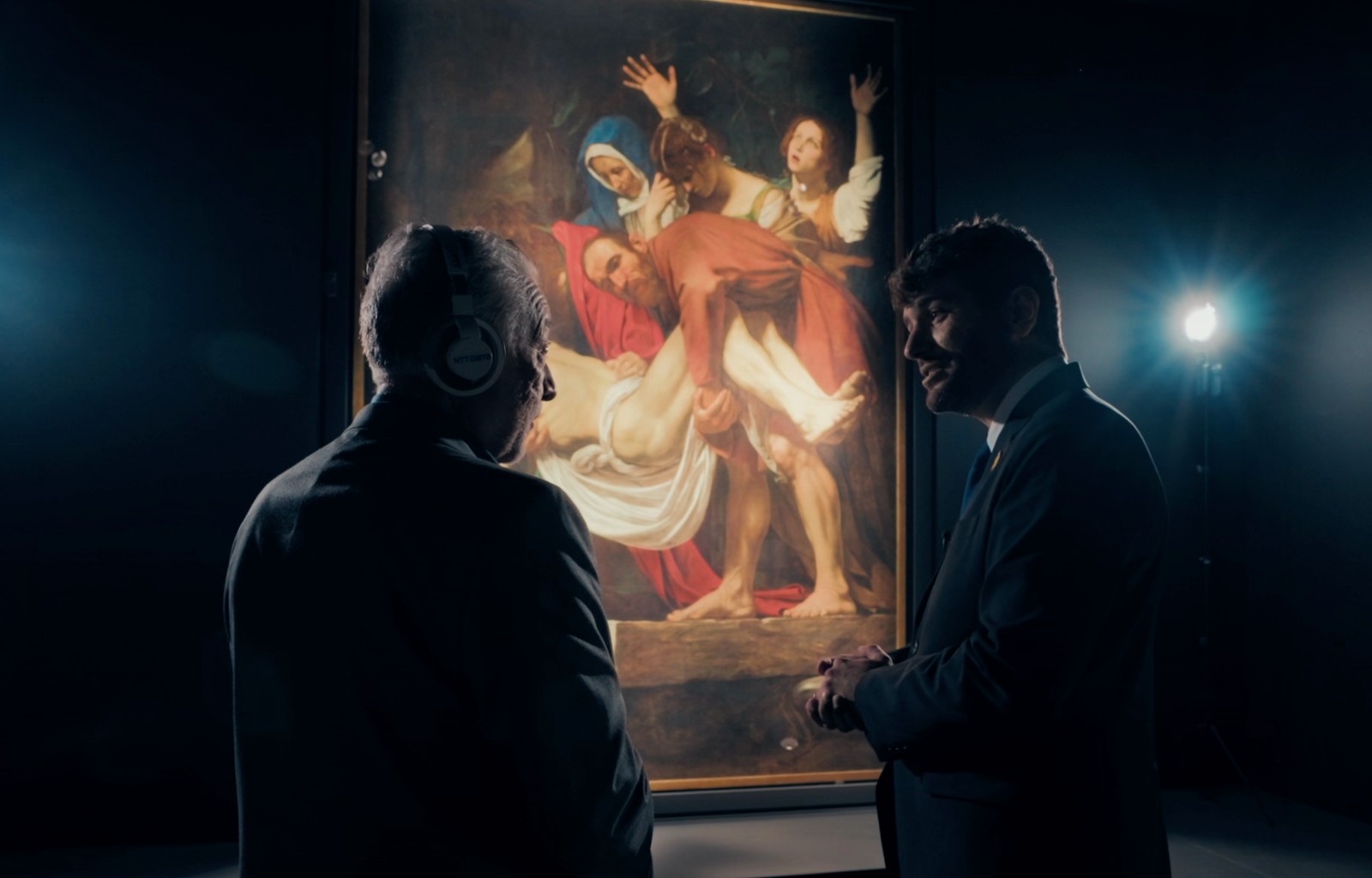
The combination of the visual art of Caravaggio and the technological sound art using NTT’s innovation created a unique, immersive experience, connecting the physical location in Osaka with the spiritual heart of the Vatican. And it is an example of how culture and cultural treasures which were once confined to archives are now accessible globally.
Sharing culture, inspiring innovation
Building on our new agreement, NTT DATA and the Holy See will continue to explore emerging technologies such as AI, XR and blockchain to deepen engagement and safeguard cultural heritage.
Future projects will focus on digital preservation, together with new viewing experiences that combine digital content with XR technologies, as a means of uniting humanity’s shared history with its technological future. This will include:
-

Expanding 3D digitization of Vatican buildings and artifacts.
-
Developing immersive educational and research experiences.
-
Strengthening global access to cultural heritage as a shared human asset.
The goal is to merge the real world with the digital virtual world to both preserve cultural artifacts and history as well as expand ways in which people can access and interact with it.
NTT’s innovation, Vatican City’s preservation
NTT DATA and the Vatican’s partnership is focused on ensuring humanity’s stories endure, with digital heritage connecting past, present and future.
This longstanding collaboration between NTT DATA and the Vatican demonstrates how technology can advance cultural and social value. From the preservation of ancient manuscripts to immersive digital experiences, we are working to ensure that the world’s memory remains alive and is accessible to all while being protected for generations to come.
By combining innovation with preservation, this partnership has created a model for how digital transformation can protect humanity’s collective memory while opening new opportunities for education, research and inspiration.